Introduction
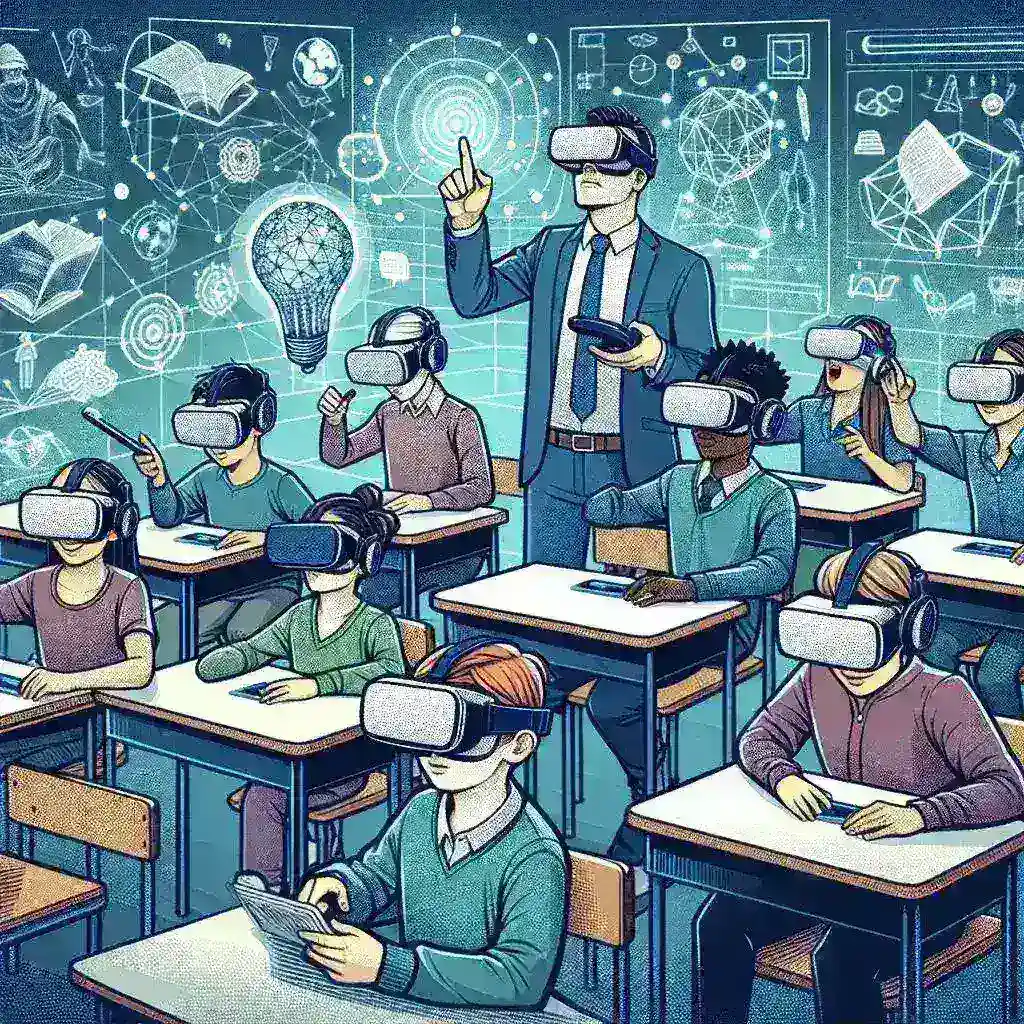
Virtual Reality (VR) technology has made substantial inroads into various sectors, and education is no exception. This innovative technology has the potential to transform traditional learning paradigms, making education more engaging, interactive, and effective.
What is Virtual Reality?
Virtual Reality is a computer-generated simulation that immerses users in a fully interactive three-dimensional environment. With the help of special VR headsets, users can explore different worlds, interact with virtual objects, and enhance their learning experiences.
The Role of Virtual Reality in Education
VR provides an array of applications in the education sector, some of which include:
- Immersive Learning Environments: Students can dive into historical sites or distant planets, providing a deeper understanding of the subject matter.
- Hands-On Experience: VR allows learners to practice skills in a safe, controlled environment, such as medical training or engineering simulations.
- Collaboration and Communication: Students can interact with peers from around the world, enhancing their teamwork and communication skills.
- Diverse Learning Styles: VR caters to various learning preferences, whether visual, auditory, or kinesthetic.
Benefits of Using Virtual Reality in Education
Implementing Virtual Reality in education comes with numerous advantages:
1. Enhanced Engagement
VR captivates the learner’s attention, increasing motivation and participation in academic activities. This high level of engagement can lead to improved retention of information and better academic performance.
2. Improved Understanding of Complex Subjects
With the ability to visualize abstract concepts, such as molecular structures or astronomical events, students can grasp complex subjects more easily.
3. Accessibility
Virtual Reality provides opportunities for students with disabilities, making learning more inclusive and accessible to everyone.
Challenges of Implementing Virtual Reality in Education
While the benefits are numerous, there are also challenges to consider:
- Cost: VR equipment and software can be expensive, which may limit implementation in some schools.
- Training: Educators may require training to effectively incorporate VR into their teaching strategies.
- Technical Issues: As with any technology, there can be issues related to connectivity, software glitches, and equipment malfunctions.
Conclusion
Virtual Reality represents a significant advancement in educational technology. By providing immersive, interactive experiences, it has the potential to enhance student learning and engagement dramatically. As schools continue to explore the possibilities of VR, educators and students alike can look forward to a bright future filled with new learning opportunities.
Leave a Reply