Introduction
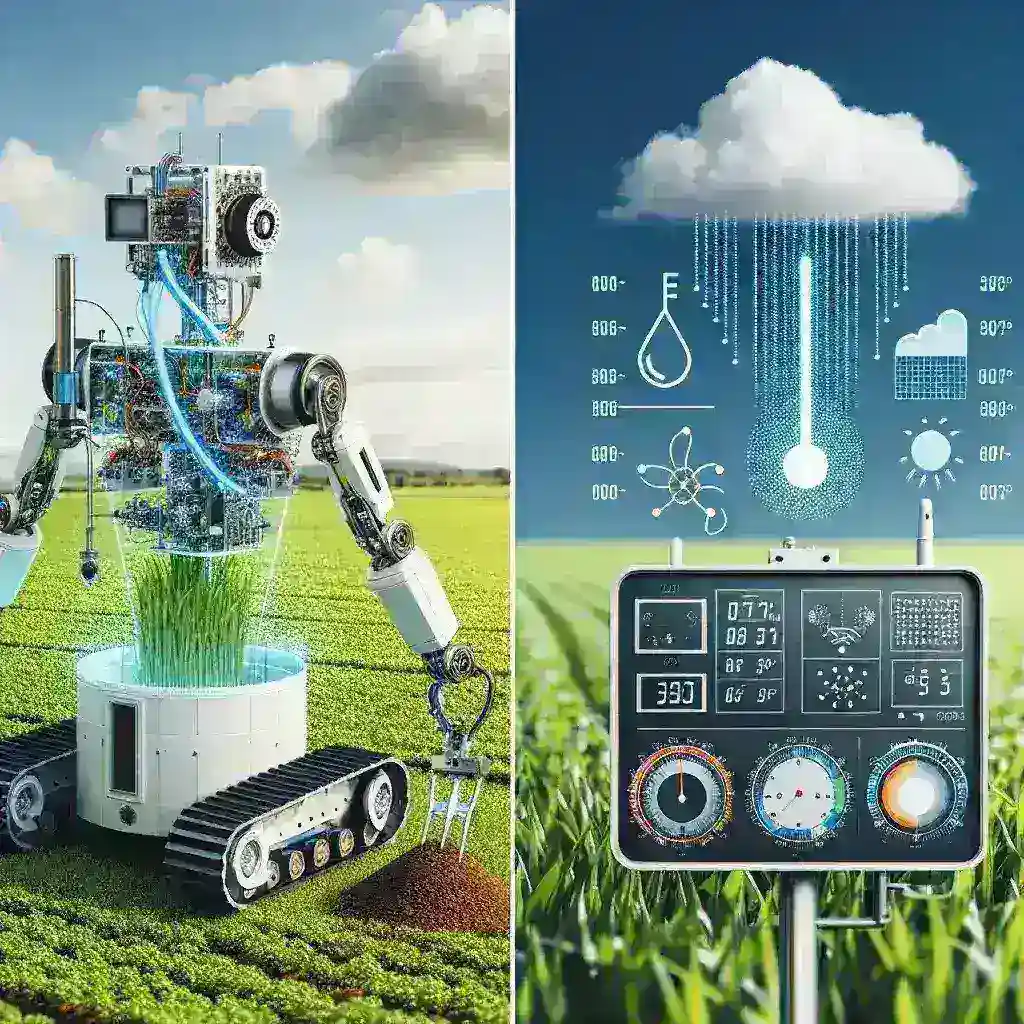
The United States Department of Agriculture (USDA) is on the forefront of innovation, particularly in the fields of agriculture and environmental science. As challenges such as climate change, soil degradation, and food security become more pronounced, the USDA has started adopting advanced robotics technology for soil sampling and climate data collection. This article delves into the implications of this significant shift, examining the unique benefits and potential drawbacks of integrating robotics into agricultural practices.
The Need for Robotics in Agriculture
With a growing global population, the demand for efficient and sustainable agricultural practices has never been more urgent. Traditional methods of soil sampling and climate data collection can be labor-intensive, time-consuming, and prone to human error. Robotics offers a solution that not only enhances accuracy but also increases the efficiency of data collection processes.
Historical Context
The incorporation of technology in agriculture is not new; however, the pace at which it has evolved over the past decade has been remarkable. Precision agriculture, which utilizes GPS and data analytics, has paved the way for the adoption of robotics. The USDA has long been a proponent of technological advancements to support farmers, and the current trend towards robotics is a natural evolution of this commitment.
Robotics in Soil Sampling
Soil sampling is vital for understanding the health and composition of farmland. The USDA is now deploying robotic systems that can autonomously collect soil samples, which are then analyzed for nutrients and contaminants. This process not only speeds up data collection but also ensures that samples are taken from multiple locations, providing a more comprehensive view of soil health.
Advantages of Robotic Soil Sampling
- Increased Efficiency: Robots can work continuously without fatigue, significantly reducing the time required for soil sampling.
- Enhanced Accuracy: Automated systems reduce human error, ensuring that samples are collected consistently across different locations.
- Data Integration: Robotics can be programmed to integrate with data analytics platforms, allowing for real-time monitoring and analysis.
Challenges and Considerations
While the benefits are substantial, there are challenges associated with the integration of robotics in soil sampling. Initial costs can be high, and training is necessary to ensure that personnel can operate and maintain these systems effectively. Additionally, there is a need for ongoing research to fully understand the environmental impacts of robotic systems.
Climate Data Collection and Robotics
Climate data is critical for understanding agricultural trends and developing adaptive strategies. The USDA has recognized the potential of robotics to enhance climate data collection by utilizing drones and ground-based robots. These systems can gather data on temperature, humidity, and other environmental factors, delivering precise information to farmers and researchers alike.
The Role of Drones
Drones equipped with sensors are capable of monitoring vast expanses of farmland, providing data that would be impractical to collect manually. They can capture high-resolution imagery and environmental data, enabling farmers to respond quickly to changing conditions.
Ground-Based Robots
In addition to drones, ground-based robotic systems are being designed to traverse fields, collecting climate data as they move. These robots can be programmed to follow specific routes, ensuring comprehensive data coverage over time.
Future Predictions for Robotics in Agriculture
As technology continues to evolve, the future of robotics in agriculture looks promising. The USDA’s commitment to adopting these advancements will likely encourage further innovation in the field. Predictions suggest that within the next decade, we may see a significant increase in the use of robotics for various agricultural applications, not only for soil sampling and climate data collection but also for planting, harvesting, and pest control.
Pros and Cons of Robotics in Agriculture
Pros
- Sustainability: Robotics can help optimize resource use, reducing waste and promoting sustainable agricultural practices.
- Improved Yield: With better data collection, farmers can make informed decisions that lead to increased crop yields.
- Labor Shortages: Robotics can help mitigate the impact of labor shortages in agriculture, providing a reliable workforce to assist farmers.
Cons
- High Initial Costs: The investment in robotic systems can be substantial, which may deter smallholder farmers from adopting the technology.
- Technological Dependency: Increased reliance on technology raises concerns about the potential for failure and the need for constant maintenance and updates.
- Job Displacement: As robots take on more tasks, there are concerns about the impact on agricultural jobs and the workforce.
Real Examples of Robotics in Use
Several pilot programs and projects have demonstrated the effectiveness of robotics in agriculture. For instance, some farms are utilizing autonomous robots for planting and monitoring crops, which has resulted in increased efficiency and reduced labor costs. Additionally, USDA-backed research initiatives are exploring the potential of robotics in precision agriculture, showcasing the technology’s ability to improve data accuracy and crop yields.
Cultural Relevance and Acceptance
The adoption of robotics in agriculture is not just about technology; it is also about cultural acceptance. Farmers and agricultural workers must be educated about the benefits and functionalities of these systems. Workshops, training sessions, and demonstration farms can help facilitate this understanding, allowing stakeholders to appreciate the long-term advantages of robotics.
Conclusion
The USDA’s adoption of robotics for soil sampling and climate data collection marks a transformative step in modern agriculture. While there are challenges to navigate, the potential benefits far outweigh the drawbacks. As we move forward, the integration of robotics holds promise for enhancing agricultural productivity, sustainability, and resilience in the face of climate change. By investing in this technology, the USDA is not only supporting farmers but also paving the way for a more sustainable agricultural future.
Leave a Reply