Introduction
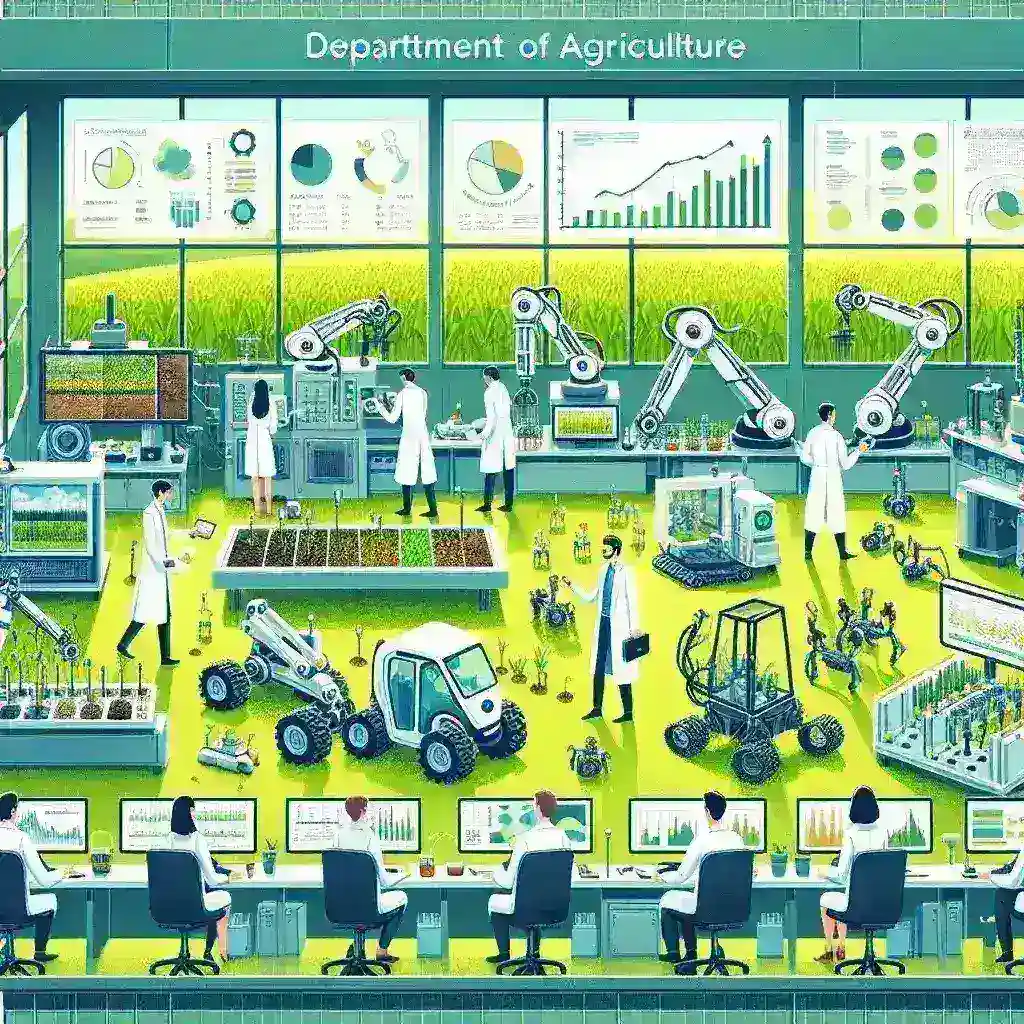
The United States Department of Agriculture (USDA) has recently taken significant steps towards integrating robotics into its processes, particularly in soil sampling and climate data collection. This initiative marks a pivotal moment in modern agriculture, as it aligns with the growing need for precision agriculture amidst changing climate conditions and increasing food production demands.
Historical Context
For decades, agricultural practices have relied heavily on manual labor and traditional methods for data collection. Soil sampling was often a labor-intensive task, requiring farmers and agricultural scientists to collect samples physically over vast areas, which not only consumed time but also introduced variability and human error. With the advent of technology, the USDA recognized the potential for robotics to streamline these processes significantly.
The Evolution of Agricultural Robotics
The evolution of robotics within agriculture is not entirely new. Autonomous tractors, drones for crop monitoring, and automated irrigation systems have been on the rise. However, the USDA’s recent commitment to robotics specifically for soil sampling and climate data collection is a game-changer.
Current Techniques in Soil Sampling
Traditionally, soil sampling involves a variety of methods, including random sampling, grid sampling, and zone sampling. Each method has its advantages and disadvantages, but they all share a common challenge: the need for accuracy and efficiency. With the USDA’s adoption of robotics, these techniques can be enhanced.
Advantages of Robotic Soil Sampling
- Precision: Robotic systems can perform tasks with a level of accuracy that is difficult to achieve manually.
- Efficiency: Automated systems can operate continuously without fatigue, allowing for quicker data collection over larger areas.
- Reduced Labor Costs: By minimizing the reliance on human labor, farmers can allocate resources more effectively.
- Consistency: Robotics ensure that each sample is collected under similar conditions, reducing variability in the data.
Climate Data Collection: The Role of Robotics
Climate data collection is crucial for understanding environmental changes and their impacts on agriculture. The USDA’s robotic systems are designed to gather data on various climate parameters, including temperature, humidity, soil moisture, and more.
Benefits of Robotic Climate Data Collection
- Real-Time Data: Robotics can provide immediate feedback on environmental conditions, allowing for quick decision-making.
- Historical Analysis: Continuous data collection helps build a comprehensive database for studying climate trends over time.
- Improved Forecasting: Accurate climate data is essential for developing predictive models that can guide farmers in their practices.
Future Predictions: The Impact of Robotics on Agriculture
As the USDA continues to invest in robotic technologies, the future of agriculture looks promising. Experts predict that the integration of robotics will lead to:
Increased Crop Yields
With more precise data on soil health and climate conditions, farmers can make informed decisions that enhance crop yields.
Sustainable Practices
Robotics can contribute to more sustainable agricultural practices by optimizing resource use, reducing waste, and minimizing environmental impact.
Collaboration with AI
Incorporating artificial intelligence (AI) with robotics will further improve data analysis, allowing for more nuanced insights into agricultural practices.
Challenges and Considerations
Despite the many advantages, the adoption of robotics in agriculture also comes with challenges:
Cost of Implementation
The initial investment required for robotic systems can be significant, potentially deterring some farmers, especially small-scale operators.
Technical Skills
Farmers may require additional training to effectively use and maintain robotic systems, creating a learning curve that needs to be addressed.
Data Privacy
As more data is collected, concerns about data privacy and ownership will need to be navigated carefully.
Real Examples of Robotics in Action
Several farms across the U.S. are already seeing the benefits of robotic technology:
Case Study: Robotic Soil Sampling in California
A vineyard in California has implemented a robotic system that autonomously collects soil samples across its fields. The data collected has enabled the vineyard to tailor its irrigation and fertilization practices, leading to a 15% increase in grape yield.
Case Study: Climate Monitoring Drones in Iowa
An Iowa-based farm utilizes drones equipped with sensors to gather climate data. The real-time information has allowed the farmers to adjust planting schedules based on temperature and moisture levels, resulting in more resilient crops.
Cultural Relevance and Acceptance
The integration of robotics in agriculture also touches on cultural aspects. In rural communities where farming is a way of life, the acceptance of technology can vary. Education and demonstration of the benefits of robotic systems will be key to fostering a positive outlook toward this technological shift.
Conclusion
The USDA’s adoption of robotics for soil sampling and climate data collection represents a significant leap forward in agricultural practices. As technology continues to evolve, the potential for increased efficiency, sustainability, and yields will redefine farming as we know it. While challenges remain, the positive impacts of robotics in agriculture are undeniable, and farmers who embrace this change may find themselves at the forefront of a new agricultural revolution.
Leave a Reply