Introduction
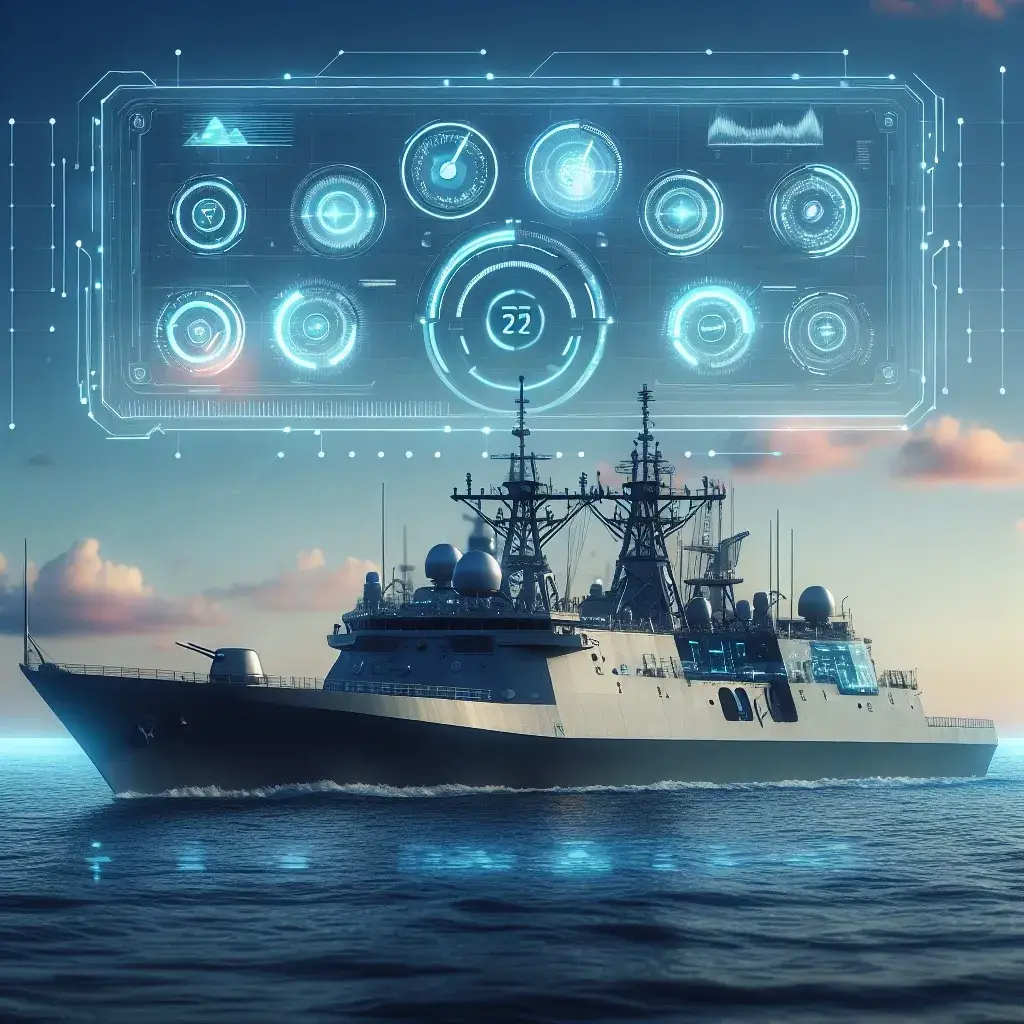
This September, the U.S. Navy is embarking on a groundbreaking initiative to test AI-powered ship fuel efficiency systems. This innovative approach is poised to revolutionize naval operations, significantly reducing fuel consumption and operational costs while enhancing overall performance and sustainability.
The Need for Enhanced Fuel Efficiency
As global fuel prices continue to fluctuate and environmental regulations become increasingly stringent, the pressure on the U.S. Navy to improve fuel efficiency is mounting. Traditional naval vessels consume substantial amounts of fuel, impacting not only operational budgets but also contributing to a larger carbon footprint. The Navy seeks to address these challenges by integrating artificial intelligence into its fuel management systems.
Historical Context
The concept of fuel efficiency is not new to military operations. Historically, navies have sought to optimize their fuel consumption, especially during prolonged missions. However, the integration of AI takes this effort to an entirely new level. In past decades, improvements were often achieved through mechanical upgrades and training, but AI solutions promise to provide dynamic, real-time adjustments that traditional methods cannot match.
AI in Fuel Management
The AI systems being tested are designed to analyze vast amounts of data from various sources, including weather conditions, vessel speed, and operational requirements. By processing this information, the AI can recommend optimal fuel usage strategies, improving efficiency without sacrificing operational readiness.
How Does AI Improve Fuel Efficiency?
- Data Analysis: AI algorithms analyze historical and real-time data to predict fuel consumption patterns.
- Dynamic Route Optimization: AI can suggest the most fuel-efficient routes based on various parameters, including ocean currents and weather forecasts.
- Engine Performance Monitoring: Continuous monitoring of engine performance allows for immediate adjustments to operational parameters, enhancing efficiency.
The September Testing Initiative
The upcoming tests in September will involve multiple naval vessels equipped with AI fuel efficiency systems. These tests will be conducted in various operational scenarios to evaluate the systems’ performance under real-world conditions. Key objectives of the testing initiative include:
- Assessing the accuracy of AI predictions in fuel consumption.
- Evaluating the systems’ ability to adapt to changing operational conditions.
- Comparing fuel savings achieved with AI assistance against conventional methods.
Expected Outcomes
The U.S. Navy anticipates that these tests will yield significant insights into the effectiveness of AI in improving fuel efficiency. Successful results could lead to broader implementation across the fleet, which would not only reduce costs but also enhance the Navy’s sustainability efforts.
Pros and Cons of AI-Powered Fuel Systems
Pros
- Cost Reduction: Enhanced fuel efficiency translates to lower operational costs.
- Environmental Impact: Reducing fuel consumption helps decrease carbon emissions, supporting sustainability goals.
- Operational Readiness: AI can improve readiness by ensuring vessels have adequate fuel for missions without overconsumption.
Cons
- Implementation Costs: Initial investments in AI technology and training may be significant.
- Reliability Concerns: Dependence on technology may raise concerns regarding system failures or errors in decision-making.
- Data Security: Increased reliance on AI necessitates robust cybersecurity measures to protect sensitive information.
Future Predictions
As the Navy continues to innovate, the future of fuel management may look drastically different. If the September tests are successful, we could see a rapid adoption of AI technologies not only in fuel efficiency but also in other operational areas such as navigation, maintenance, and logistics.
Conclusion
The U.S. Navy’s testing of AI-powered ship fuel efficiency systems this September represents a significant leap into the future of naval operations. By embracing cutting-edge technology, the Navy is not only looking to enhance its operational capabilities but also to set a precedent for sustainability in the military. As these tests unfold, the implications of AI in maritime operations will likely become clearer, potentially transforming how navies around the world approach fuel efficiency and operational readiness.
Leave a Reply