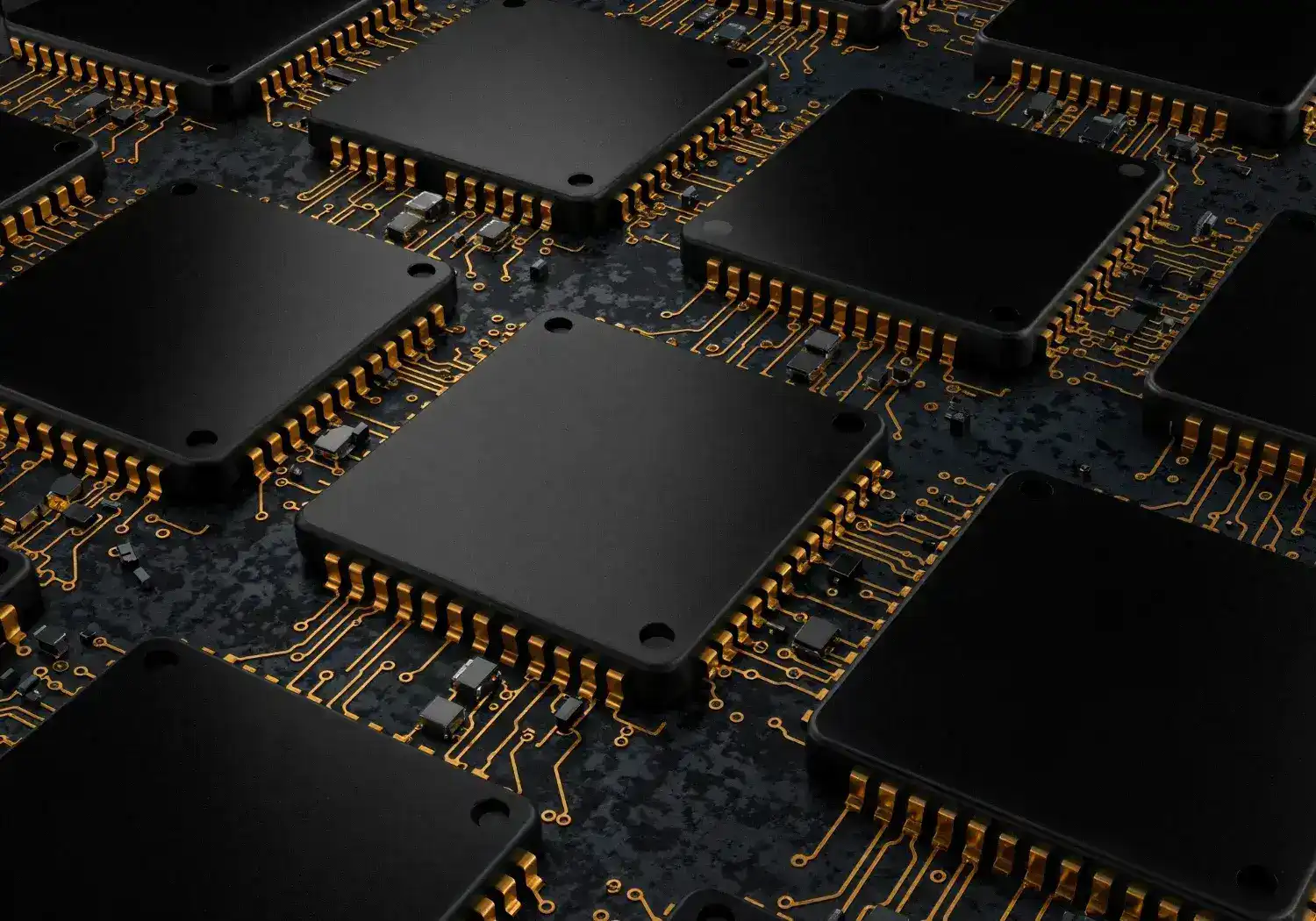
The quantum computing landscape has long been defined by incremental advances hamstrung by the difficulty of scaling qubit counts to levels needed for practical applications. PsiQuantum, a Silicon Valley start-up founded on the vision of photonic quantum computing, is now positioning itself to break through that barrier with its Omega quantum chips and a bold target: a commercial, utility-scale quantum computer by 2027. Leveraging photonic qubits—particles of light that are naturally robust against thermal noise—PsiQuantum has cracked one of the most formidable challenges in the field: manufacturing quantum chips at volumes and yields comparable to classical semiconductors. Partnering with GlobalFoundries to produce its Omega chipset on 300-millimetre wafers using industry-standard processes, PsiQuantum claims to already be “making millions” of chips with yields matching conventional devices. With cryogenic infrastructure contracts in place, government backing from Australia and the U.S. Air Force, and published results in leading journals, the company is laying the groundwork for its first commercial quantum computing centers in Brisbane and Chicago by the end of 2027.
From Lab Prototypes to Photonic Omega Chips
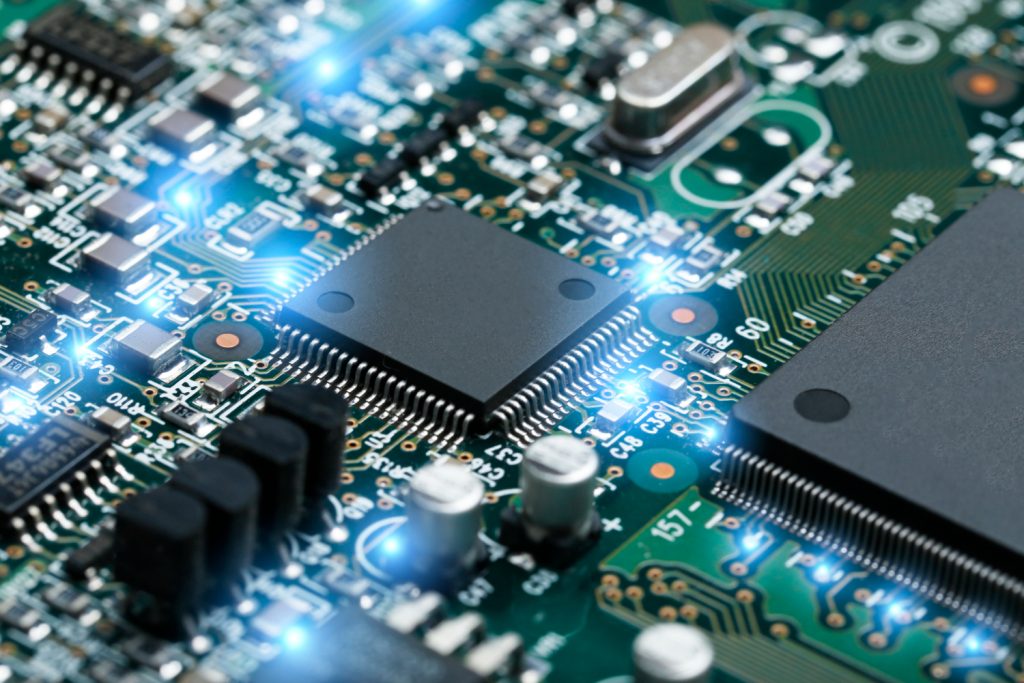
Early quantum computers relied on superconducting circuits or trapped ions—platforms that, while promising, demand extreme cryogenic conditions and complex control electronics. PsiQuantum diverged two decades ago by choosing a photonic approach, encoding quantum information into photons that travel and interact via integrated optical waveguides. In the lab, photonic demonstrations achieved high-fidelity qubit operations, but scaling beyond hundreds of qubits proved elusive due to chip fabrication constraints. Omega changes that paradigm. Developed in collaboration with GlobalFoundries at their Albany, New York facility, Omega chips pack thousands of optical components—beam splitters, phase shifters, single-photon detectors—onto 300-millimetre silicon wafers using a 45-nanometre CMOS process. Critically, PsiQuantum has demonstrated manufacturing yields on par with classical chips, thanks to rigorous process control and automated optical testing. The mass-manufacture of Omega chips represents the first time photonic quantum devices have moved beyond boutique laboratories into high-volume production, a milestone essential for assembling the modular units needed for million-qubit machines.
Scaling Infrastructure: Partnerships and Cryogenic Systems
High-volume chip fabrication is only one piece of the puzzle; building a commercial quantum computer demands equally scalable cooling and interconnect infrastructure. Photonic qubits operate at higher temperatures than superconducting devices—often at or near liquid-nitrogen levels—yet still require precise thermal stability and isolation from environmental noise. To address this, PsiQuantum forged a contract with a leading cryogenics firm to install large-scale cooling plants capable of sustaining the thousands of Omega chips housed in rack-mount cabinets networked by optical fibre. This industrial-scale cooling approach leverages proven semiconductor and scientific cryo-systems, ensuring that photonic modules maintain coherence without the burdens of millikelvin refrigeration. Concurrently, a multi-million-dollar contract with the U.S. Air Force Research Laboratory will supply novel electro-optic phase-shifter materials and secure a design pipeline for future defense applications, reinforcing the dual commercial and governmental support vital for PsiQuantum’s ambitious timeline.
Roadmap to a 2027 Utility-Scale Facility
With Omega chips rolling off the wafer line and infrastructure contracts in place, PsiQuantum has set its sights on two quantum compute centers slated for Brisbane, Australia, and Chicago, Illinois, operational by the end of 2027. Government funding commitments—hundreds of millions of dollars from Australian Commonwealth and Queensland authorities—and a rising headcount of engineers and technicians underpin these plans. The Brisbane center will harness local photonics expertise and academic partnerships, while Chicago leverages proximity to national laboratories and defense research facilities. Each facility is designed to host hundreds of interconnected photonic modules, forming a modular architecture that can grow toward a million qubits. PsiQuantum’s leadership emphasizes that Omega’s mass-manufacturability and photonic resilience enable a faster, more cost-effective build-out than alternative modalities. By mid-2027, the first tranche of commercial applications—ranging from molecular simulations to optimization tasks—should be accessible via these centers, marking the transition from research testbeds to utility-grade quantum services.
Potential Applications and Commercial Impact
A million-qubit photonic computer promises transformative capabilities across multiple sectors. In pharmaceuticals, it could simulate complex molecular interactions for drug discovery at scales unreachable by classical supercomputers. In finance, massive portfolios might be optimized to minimize risk and maximize returns through quantum-accelerated algorithms. Logistics companies could solve complex routing and scheduling problems in real time, while materials scientists explore high-temperature superconductors or advanced catalysts. PsiQuantum has already published its foundational technology in premier scientific journals, underscoring the high fidelity of its qubit operations and chip-to-chip interconnects essential for large-scale error correction. By 2027, commercial customers may access these capabilities through cloud-based quantum services, paying per-compute cycle much as they do for classical HPC, thereby democratizing access to quantum advantage.
Challenges and Future Directions
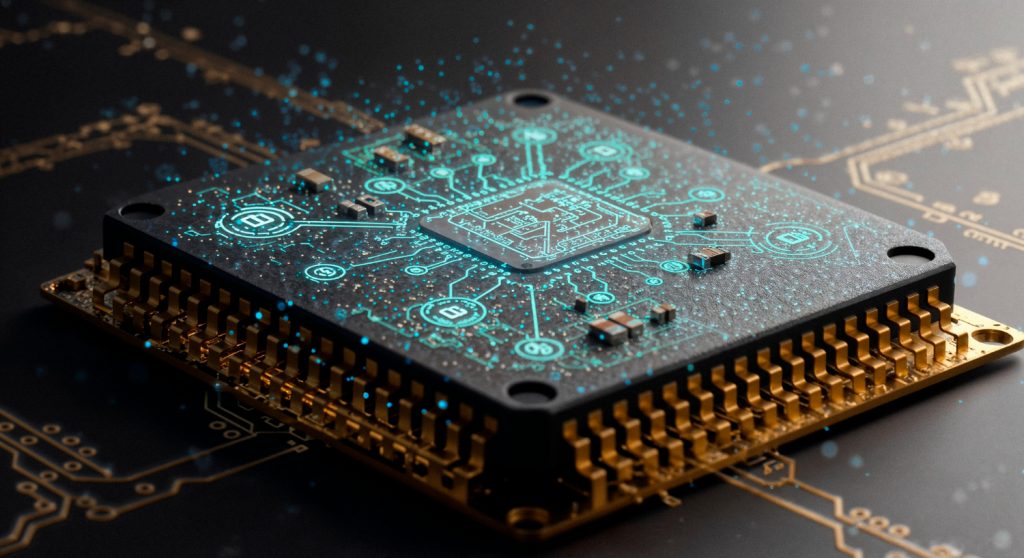
Despite significant progress, hurdles remain on the path to a 2027 launch. Quantum error correction requires substantial overhead—potentially thousands of physical qubits per logical qubit—demanding even greater chip volumes and error-rate reductions. Integrating photonic modules into a fault-tolerant architecture will test both manufacturing consistency and control-system sophistication. Supply-chain resilience for specialized optical components and cryogenic infrastructure must be maintained amid global uncertainties. Furthermore, developing software ecosystems and quantum-classical hybrid algorithms tailored to photonic hardware is an ongoing undertaking, requiring collaboration between PsiQuantum, academic researchers, and commercial partners. Looking beyond 2027, PsiQuantum envisions successive generation Omega+ chips with higher integration density, advanced materials such as lithium niobate for faster modulators, and co-packaged electronics for improved control latency. As the broader quantum industry—including competitors pursuing superconducting and trapped-ion approaches—advances complementary modalities, PsiQuantum’s photonic strategy offers a distinct route to scalable, commercially viable quantum computing, potentially positioning the company at the forefront of the next computing revolution.
Leave a Reply